Reading is much more than an academic skill. It is a habit that can influence how children learn, communicate, think and understand the world around them. Developing a strong reading culture for school children can encourage curiosity, improve language skills and help children become more confident learners. A reading culture means creating an environment where books and reading are a natural part of everyday life — not something children do only because it is required for homework or examinations. For parents and schools, encouraging children to read regularly can be an important step towards developing lifelong learners.
What Is a Reading Culture?
A reading culture is an environment where children are encouraged to read regularly, explore different types of books and develop their own interests. It can include:
- Reading books for pleasure
- Visiting libraries
- Reading stories with parents
- Discussing books and characters
- Exploring fiction and non-fiction
- Allowing children to choose books
- Creating dedicated reading time at home and school
Why Is Reading Important for Children?
The objective is not simply to increase the number of books a child reads. It is to help children develop a positive relationship with reading. Research on reading for pleasure has found links between engagement with reading and reading attainment, motivation, vocabulary and wider language development.
1. Builds Vocabulary and Language Skills
Regular reading exposes children to new words, expressions and sentence structures. When children encounter words in different contexts, they can gradually understand how language is used. This can support their communication and writing skills. Reading different genres also introduces children to different styles of writing and ways of expressing ideas.
2. Improves Comprehension and Learning
Reading is connected to learning across subjects. Students need to understand instructions, questions, explanations and information in subjects such as science, mathematics, social studies and languages. Strong reading comprehension can therefore support learning beyond language classes. Government curriculum research also highlights the importance of fluent reading, vocabulary and background knowledge in helping pupils understand texts.
3. Encourages Curiosity and Imagination
Books can introduce children to people, places, cultures and ideas they may not encounter in everyday life. A story can encourage a child to ask questions such as "Why did the character do that?", "What would I do in this situation?" or "What might happen next?" This type of curiosity can make learning more engaging and encourage children to explore topics independently.
4. Develops Confidence and Communication
As children become comfortable with words and stories, they may become more confident expressing their thoughts. Parents can encourage this by discussing what children read. Simple questions such as "What did you like about the story?" or "Which character did you like most?" can turn reading into a conversation.
Reading for Pleasure Matters
Reading should not always feel like another school assignment. When children are allowed to explore topics and formats they genuinely enjoy, they may be more motivated to read. Recent research from the National Literacy Trust found that children who enjoy reading are more likely to read frequently, and those who enjoy reading and read daily are more likely to report benefits related to learning, relaxation and wellbeing.
Choice also matters. Children can be encouraged to explore novels, comics, graphic novels, magazines, poetry and non-fiction according to their interests.
How Parents Can Build Reading Habits at Home
Parents don't need to create a complicated reading programme.
Create a Regular Reading Time
Set aside 15–20 minutes each day for reading. It could be before bedtime, after school or during a quiet part of the weekend. Consistency is more important than making the session very long.
Let Children Choose
Allow your child to select books based on their interests. If a child loves animals, provide animal stories or nature books. If they enjoy technology, explore age-appropriate books about science and inventions. Connecting reading with existing interests can make reading more attractive.
Be a Reading Role Model
Children often learn from what they see. When parents read books, newspapers or other appropriate material themselves, reading becomes a normal part of family life. Research has also highlighted the role of parents and supportive home environments in children's reading engagement.
Visit the Library
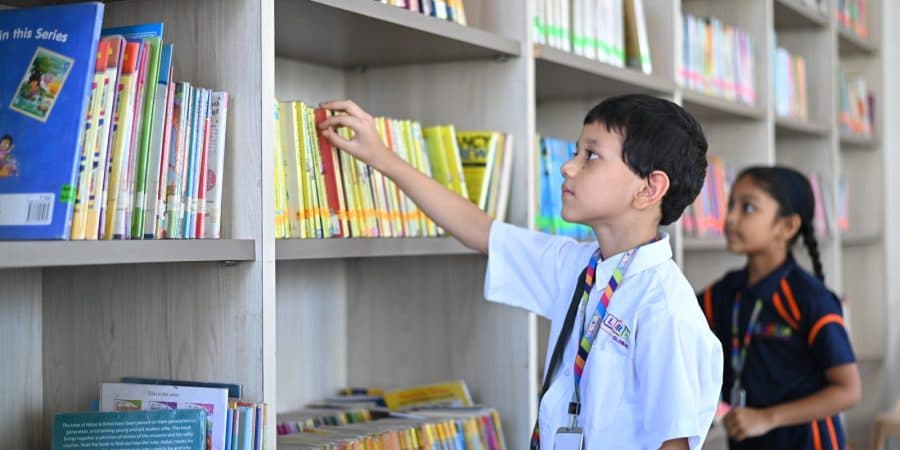
A library can give children access to a much wider variety of books. Let children browse, discover new authors and choose something that catches their attention.
How Schools Can Create a Reading Culture
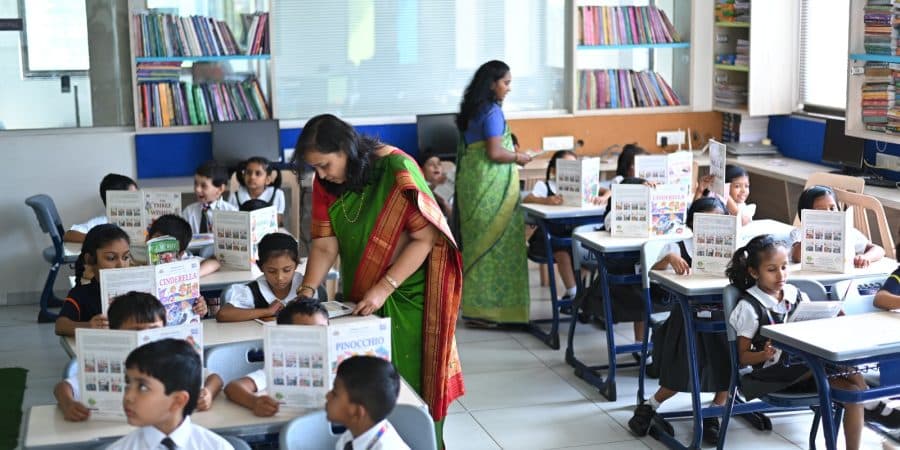
Schools can create engaging reading spaces — a comfortable library or reading corner can encourage students to spend more time with books. They can also provide variety, offering fiction, non-fiction, biographies, comics, magazines, poetry and age-appropriate digital resources, and encourage student choice so students select books according to their interests and reading levels.
Teachers can also connect reading with classroom learning by linking books with science, history, art, geography and other subjects. This helps students understand that reading is a tool for discovering knowledge across the curriculum.
At Clara Global School, Pune, creating an environment that supports learning, curiosity and overall student development is an important part of a child's educational journey. A strong reading culture can complement classroom learning by encouraging students to explore ideas independently, develop language skills and become more confident learners.
For parents looking for a CBSE school in Pune, the learning environment, academic approach and opportunities available beyond textbooks are important factors to consider when choosing a school.
The goal is not simply to make children read more. It is to help them discover that reading can be a way to learn, imagine, explore and understand the world. When children develop a love for reading early, they gain a skill that can continue supporting their education well beyond the classroom. Clara Global School, Pune believes that meaningful learning extends beyond textbooks — and developing curiosity through reading can be an important part of that journey.